

What Every Bride Should Know About Wedding Flower Pricing and Budgets

Photo by SambaJoy Photography
Ah, budget. The easiest conversation to have, right? Wrong.
Typically, wedding budgets allot approximately 10% - 15% to florals (that number depends greatly on whether or not you’re requiring floral centrepieces and decor pieces). Now, this might work for you or it might not, but here’s my best tip for any bride looking for her florist: DON’T book a florist strictly because of budget. Book her because of her style, aesthetic, and her designs—which you need to love! Instead, after getting a feel for what she does and making sure that it fits with your vision, discuss your budget with the designer and ask her what she can do to make it work.
So, you’ve met with an awesome designer who really connected with and love her work. But, the quote is coming in higher than you can afford. What should you do? Take that quote to another florist and price-shop it? No (or at least, not yet). This just really isn’t going to give you the best result.
The first thing you should do is tell that designer, “I really love your work and would absolutely love to hire you, but right now the budget is too high. I would like to stick around $xxxx; what would you suggest that we change up to be able to make it work?” Now, you have two options: 1) the florist could be less-than-awesome and tell you that there are no changes that can be made (giving you the perfect opportunity to connect with another designer), or 2) the florist will get down to work to find ways to make it work for you (and you may need to be flexible with your wish list in order to make that budget happen).
The reasons why it’s not best to bring that initial quote to another designer are many. Some of the best ones are:
-You’re taking the creativity of one person, who likely spent a good amount of time creating that custom proposal for you, and just handing it over to another person. It makes it a lot easier for the second designer to just coast along, not bringing in any of their own creative ideas. She should be able to prove to you that she understands and appreciates your style, wants to work on your flowers, and has awesome ideas that you’ll love as much or more than the initial proposal you received.
-A second floral designer has a major advantage in looking over a quote that someone else has put together, and that is being able to analyze it from a different perspective: the budget perspective. Unless you specifically told the initial designer how important budget is to you, she will have put together a proposal for you based on your style, interests, and her ideas on how to pull together the most beautifully designed blooms for you. That second designer can then look at it all and cut out whatever will bring the budget down, which may very well change the style completely -- and, it's not going to be a fair comparison for you to make in your mind. It’s much better to fall in love with the creative ideas of a specific floral designer, and then bring that proposal back to her and ask how she can keep the style in a similar vein, but bring the cost down.
We know and understand that you have budgets. I was a budget bride, and as much as I would have liked to have flowers on all my tables, it just wasn’t a reality for me. But, shopping for wedding flowers isn’t like shopping for furniture—you can’t walk in and announce to your salesperson what you’re willing to pay, and expect the florist to be able to drop her bottom line to make it happen. We have real, hard costs that are very tangible to us—there is no sales manager to to go back to who can tell us exactly how much we can mark things up or down. Flower prices are not dictated by us; they are dictated by the growers and the wholesalers.
Need some more help? I love this post from Snippet & Ink, breaking down the costs of different bridal bouquets and why you can expect to spend different amounts on different styles.
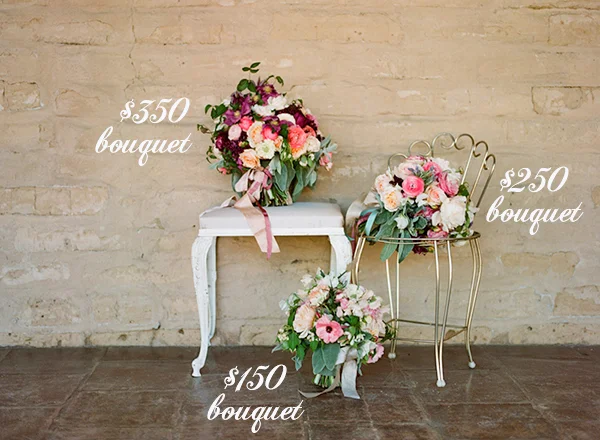
I've talked to a lot of brides, who bring in different pictures they've seen online but have no idea what to expect for costs (especially large centrepieces or decor images). This post from BRIDES does an excellent job of breaking down the costs from a real wedding.
How to Choose Your Wedding Colour Palette
Long gone are the days when brides would choose one colour for their wedding, pair it with white, and leave it at that. Taking their cues from home decor and fashion trends, today’s brides are leaning towards a more expanded colour palette with multiple hues and shades. A larger, while still cohesive, colour palette creates a richness, a sense of depth, and a more stylish look overall. It will evolve your wedding design from basic and ordinary to a well pulled-together aesthetic.
But, just because a bride knows she wants a larger colour palette doesn’t always mean that she knows HOW to create it. Which primary hues to choose? What shades of those hues? Do you stick with one colour for the bridesmaids’ dresses and invitations, and another colour for the bouquets?
To start with, pull out a colour wheel—most of your answers will come to you here. Consider the following colour palette options, and then see what you lean towards naturally!
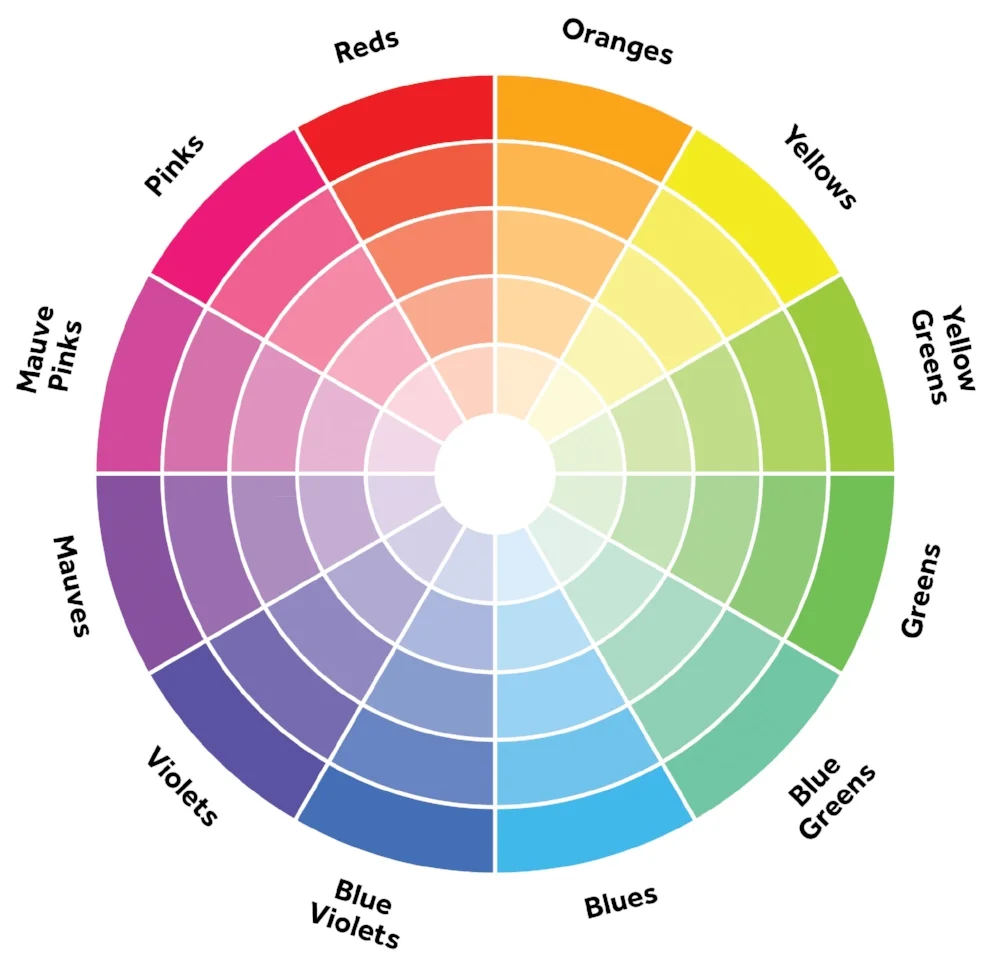
Neutral: white, grey, brown, black
Monochromatic: one colour, with different tones or shades to bring depth to it
Complementary: opposites on the colour wheel
Split Complementary: one base colour, plus the 2 hues on either side of the base colour's complement
Analogous: 3 hues beside each other on the colour wheel
If you are nervous about how to incorporate colour, start with an analogous colour palette and you can’t go wrong! For example, mauves transition naturally into violets and pale pinks so you can easily combine these hues into a well-designed palette.
For myself, I know that I’m always drawn to analogous and split-complementary palettes, and many of my brides are drawn towards monochromatic palettes (often with blush pink). After you are better able to verbalize what types of palettes you’re drawn to, look outside of weddings to find inspiration on what tones and shades you like. Look to fashion, home decor, and art for ideas—I love looking at beautiful fabrics or wallpapers to see how different hues play together. I’m sure that you’ll discover some beautiful inspiration, and then you can bring that all back to more wedding-specific tasks and use it as a guide for choosing your linens, working on your stationery, and of course, planning your flowers! Still not sure? Here are some examples of each palette--give yourself a moment to glance over them and see what pops out at you!

Example of a neutral colour palette by Stone House Creative. Photo by Victoria Anne Photography.

Example of a monochromatic colour palette by Stone House Creative. Photo by Brittany Mahood Photography.

Example of a complementary colour palette by Stone House Creative. Photo by Stephanie Godfrey Photography.

Example of a split-complementary colour palette by Stone House Creative. Photo by Jeremy Hiebert Photography.

Example of an analogous colour palette by Stone House Creative. Photo by Brittany Mahood Photography.
NEED MORE HELP? Here are some helpful articles I've found:
Designing Your Wedding Colour Palette
Top 13 Color and Style Mistakes to Avoid
Once Wed's Tips for Creating a Wedding Colour Scheme
Spring 2016 Wedding Colour Trends
HOW NOT TO PLAN YOUR WEDDING FLOWERS
Over my years working at a bridal magazine, a local florist shop, and now owning Stone House Creative, I've realized there are a few things that brides do when planning that aren't necessarily the best way to go about planning their weddings. So, here's a few tips on how to NOT plan your wedding flowers!

NOTE: The photo above is from the wedding of one of my very favourite brides, who totally did all the right things! Photo by A Marie Photography
1) You may not want to do things on your own. I totally understand that some of you ladies are very artistic and know exactly how to complete your vision, but your wedding is typically going to be best pulled together when you let your hired vendors actually do what you've hired them to. For example, I've had a few brides who wanted to make their own centrepieces. Sometimes this works, and sometimes it doesn't. If you're going to go this route, then ask your florist to order the bulk flowers for you - she'll be able to tell you how many stems you need, and order the right varieties to coordinate with the other flowers she's designing for you. You can't just order a bunch of flowers from Costco and expect them to look good with everything else. And, don't be afraid to ask for tips on how to arrange the flowers! While your designer is likely not going to put together a mock up or tutorial for you, there are always going to be some basic tips we can pass along that will help you.
2) Don't mix and match vendors. I've done a few weddings where I've been hired to design the bridal party and family flowers, and then a random decorator or a gardener aunt shows up to do the centrepieces or ceremony flowers (and some venues have a package with a built-in florist with centrepieces included, which can be both good and bad). This almost always results in two very distinct looks that just don't come together well. The best option is to just trust your floral designer, and have her come up with a few great ideas for each area of your wedding so that you'll have options that you love and fit into your budget.
3) Try not to micromanage your floral designer. The photos you see all over wedding blogs and Pinterest that you fall in love with come from weddings with brides who explained their vision to their designers, and then trusted them to take the reigns and get creative. Here are some of the things that I want to know about your planning: what's your colour palette? What type of bouquet shape do you like? What are you and your bridesmaids wearing? How do you want your reception to feel? What do your linens look like? Details like this will help me understand your vision, and if you're flexible with the rest of the details, then I'm best able to get creative and put together some fun and unique ideas for you. Unless a bride has worked with flowers herself, it just doesn't make sense for her to micromanage her florist- you simply don't have the experience and ideas that we will, if you let us do our thing.
Looking for a floral design for your 2016 wedding and want to find someone you can trust your vision to? I'm booking up for 2016 quickly, so please send me an email (and we'll avoid all of the things above, right? ;) ).
A Flower Field Day
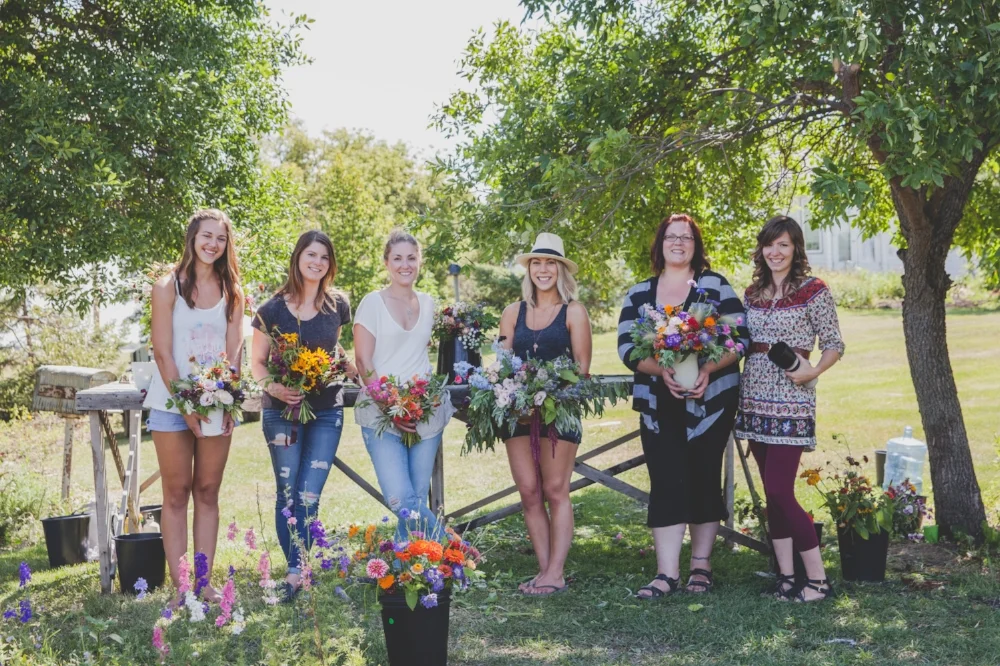
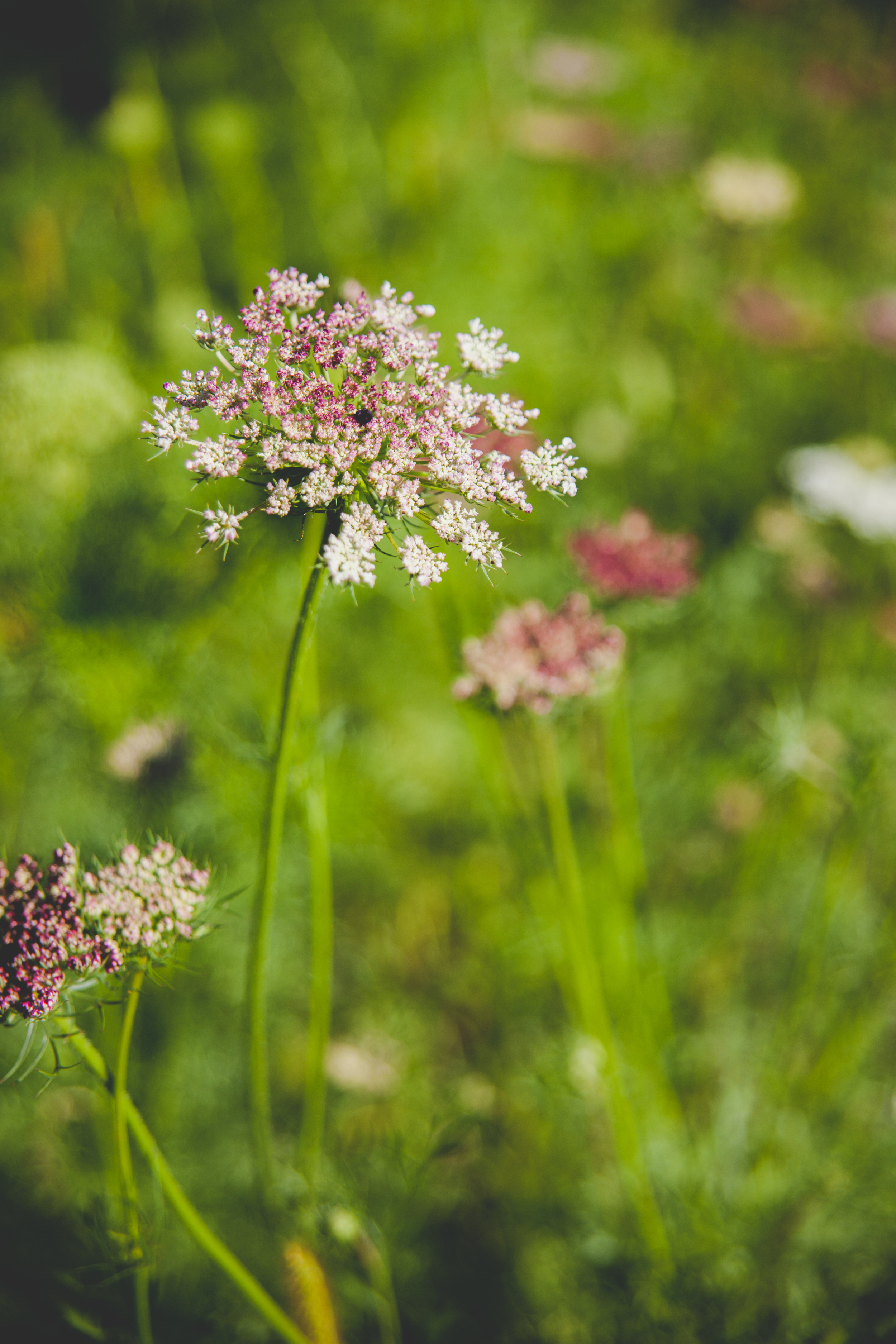
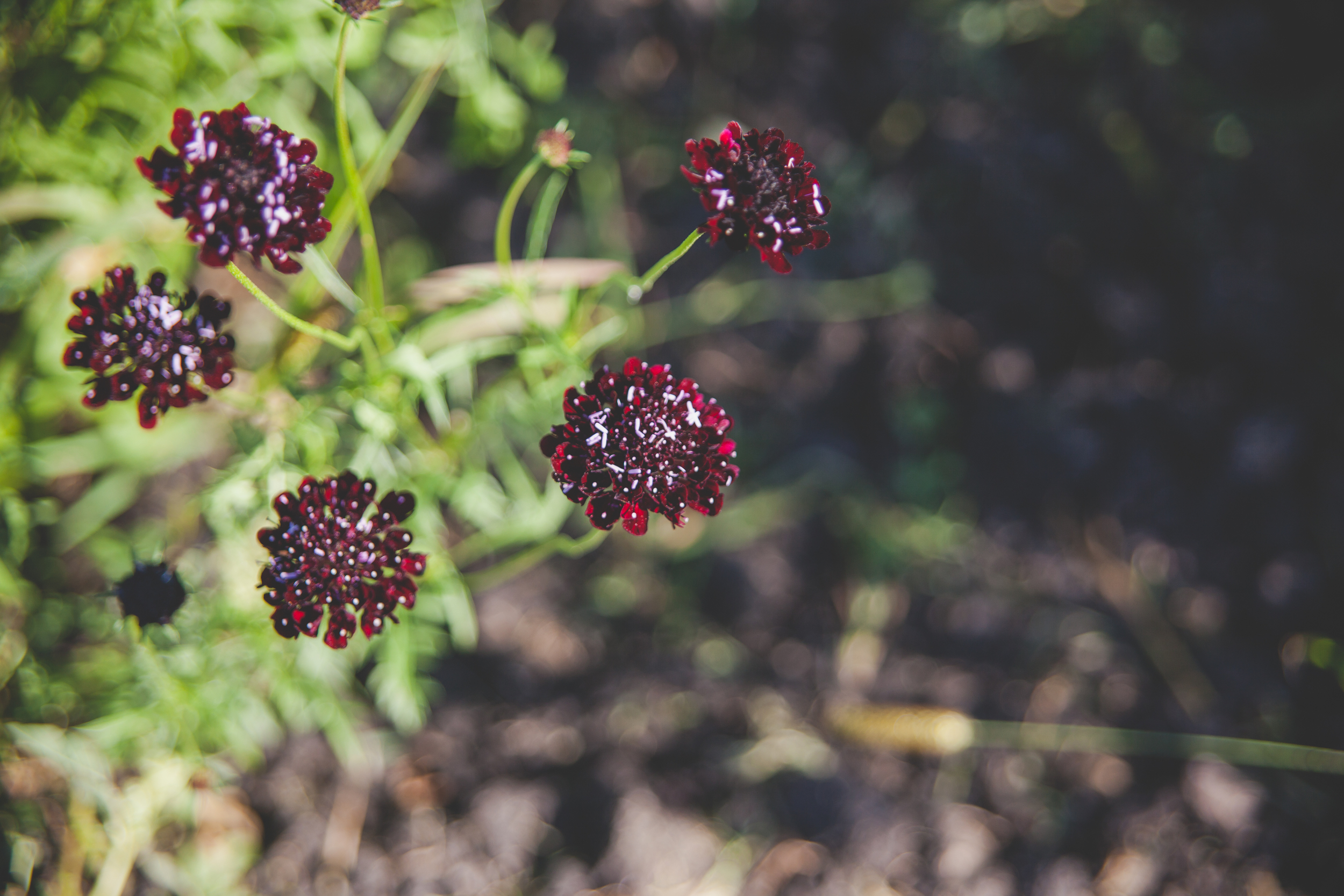
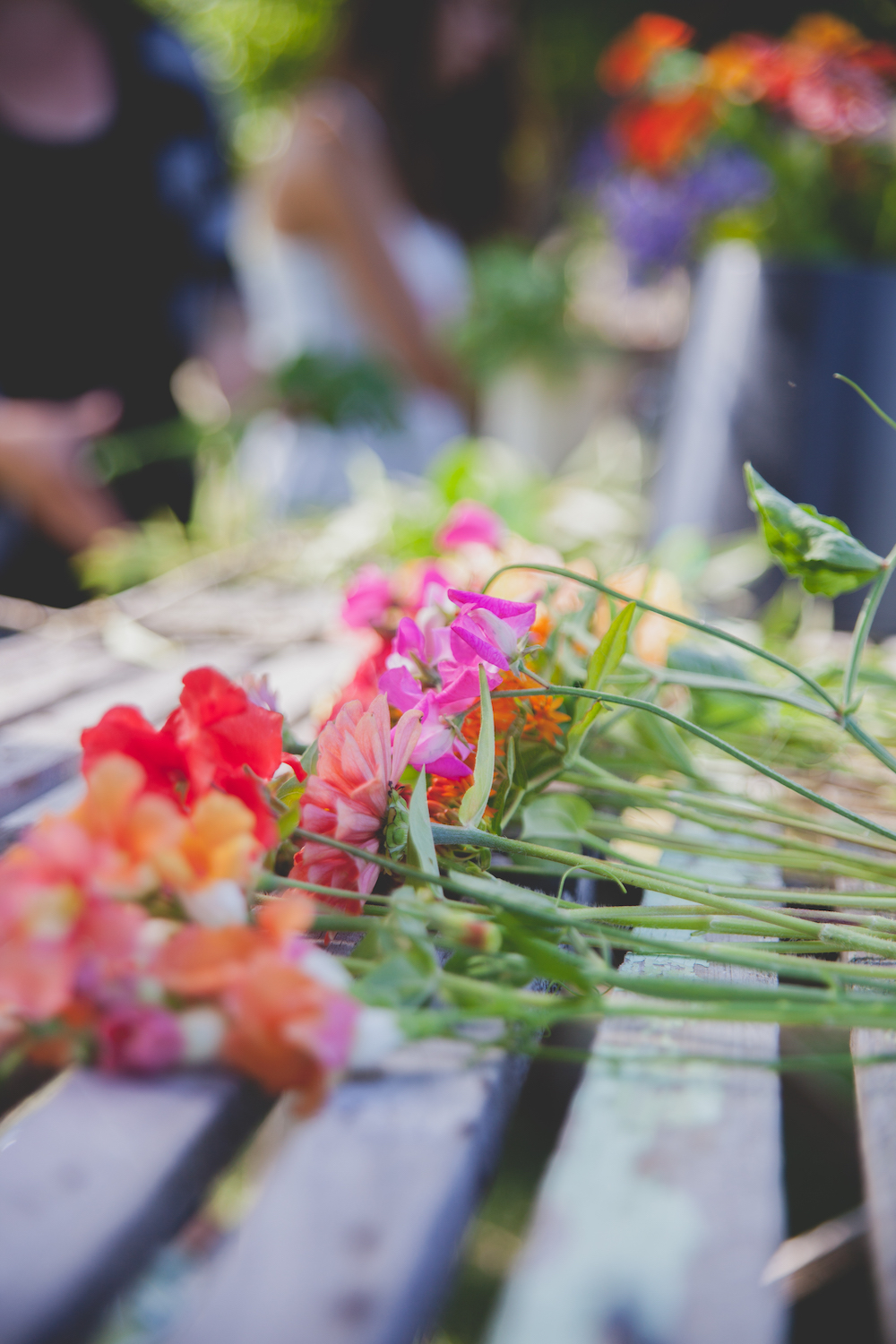
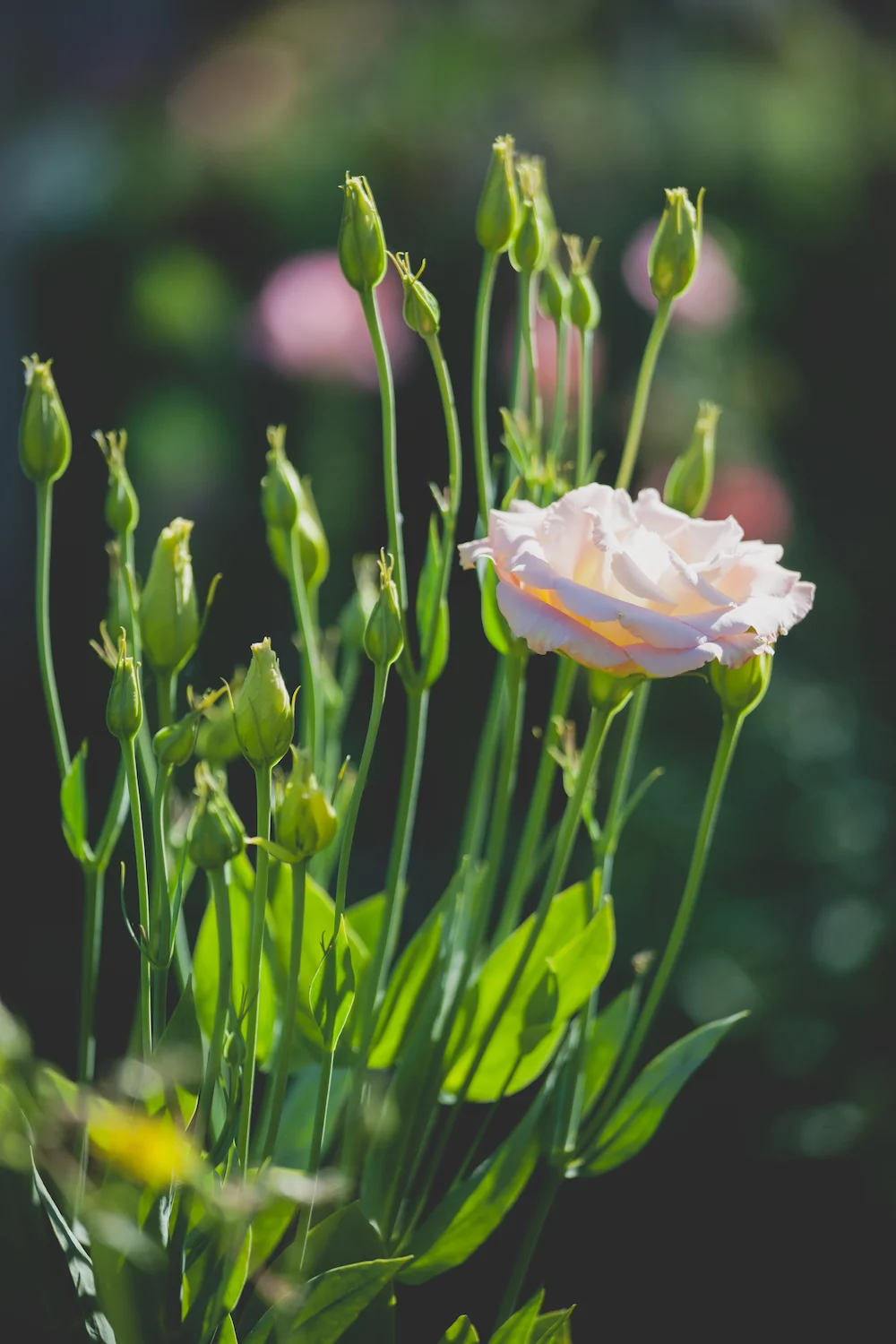
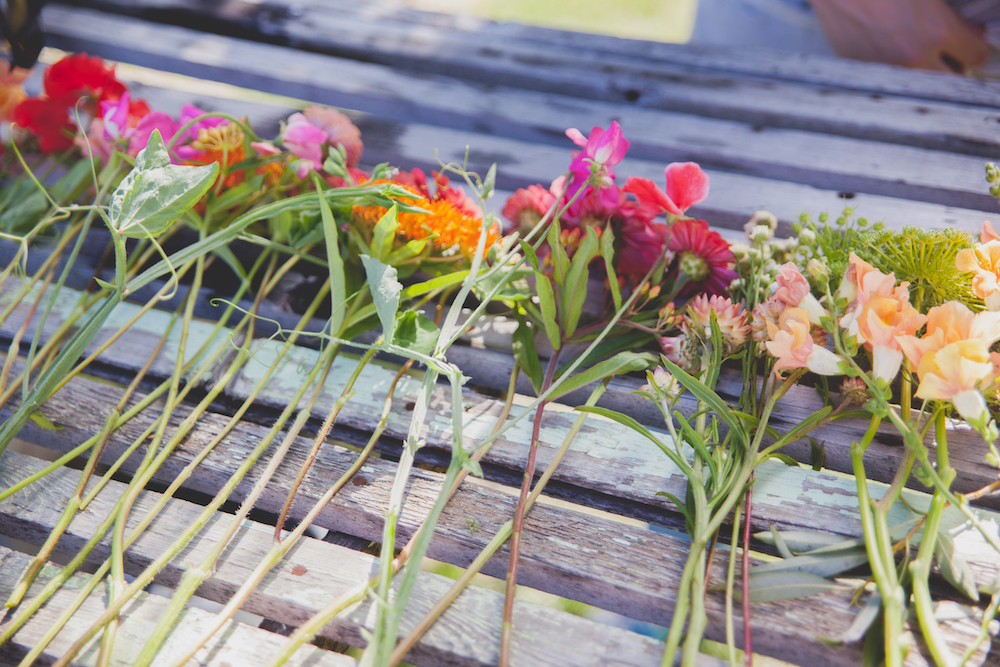
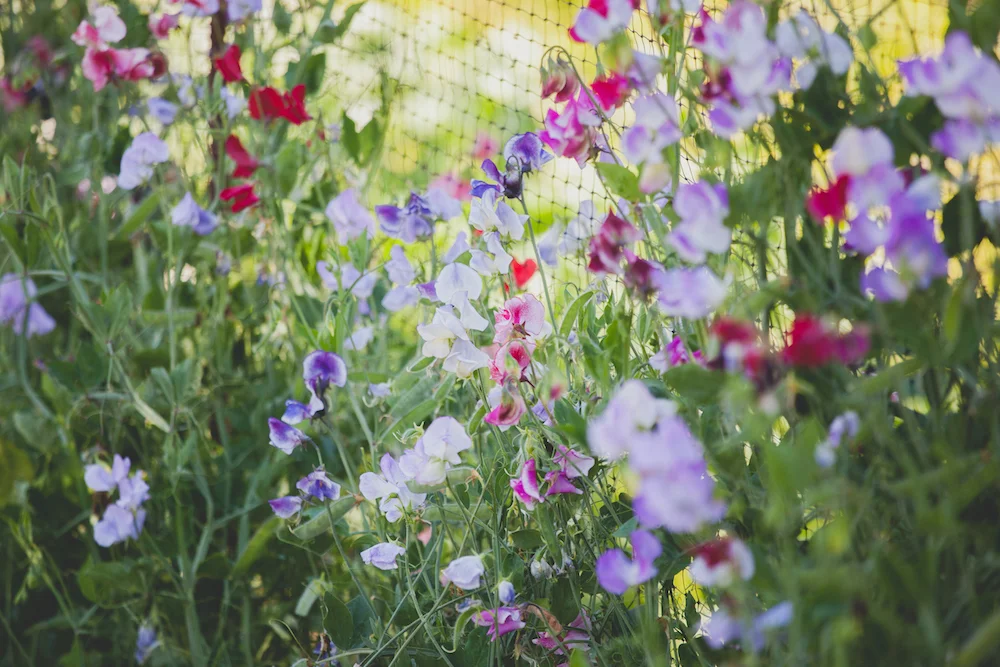
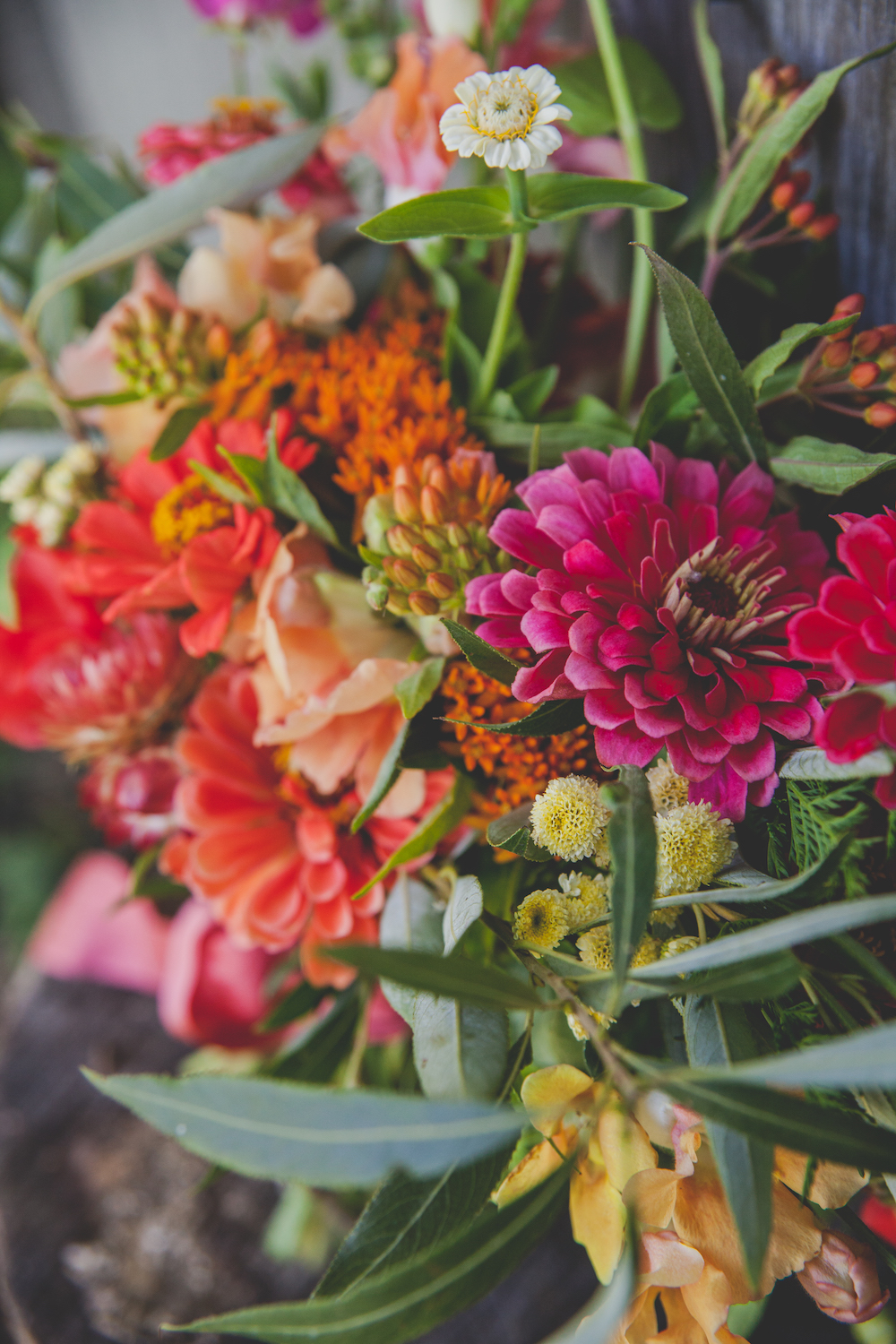
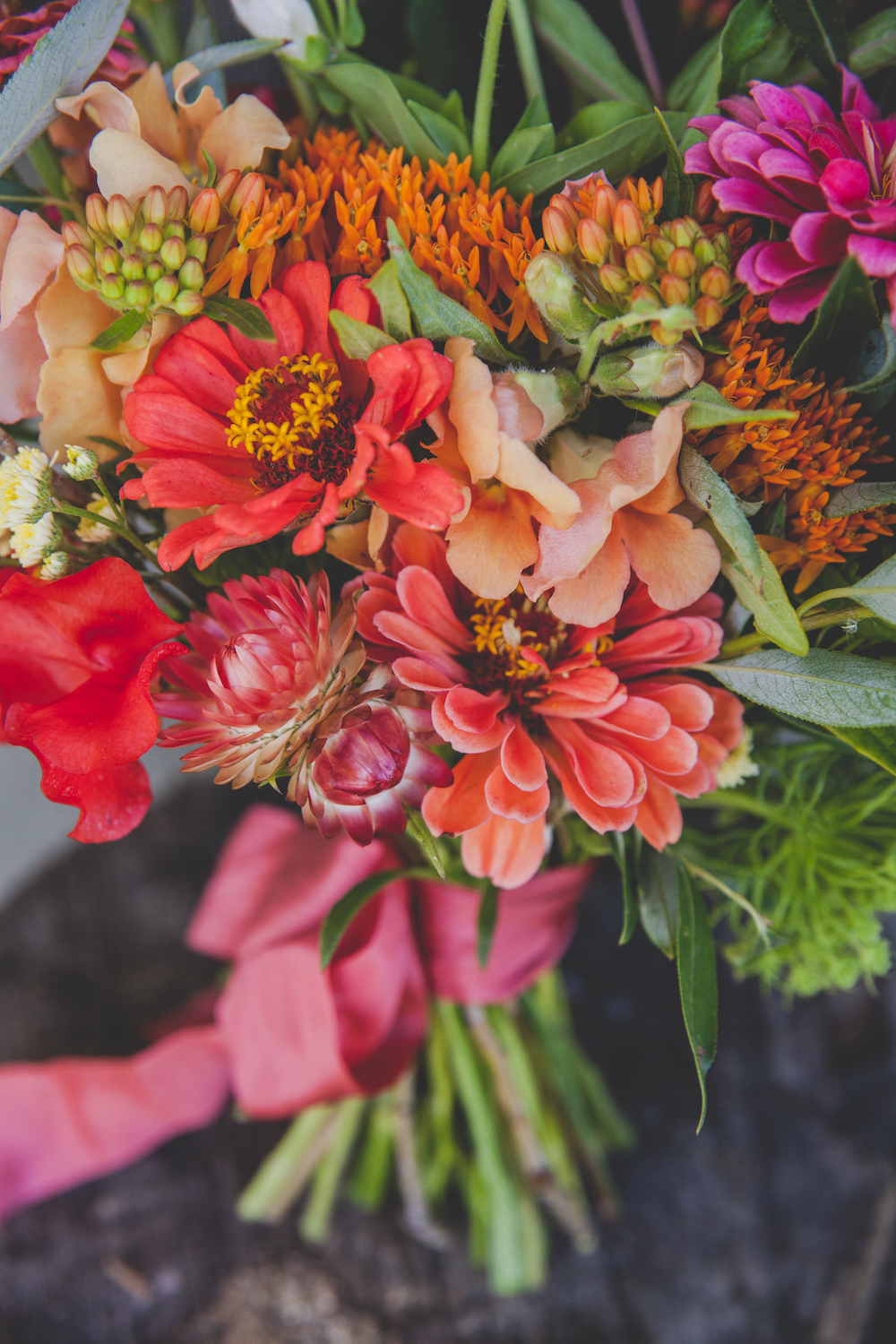
Back in August, I spent the BEST morning at a flower field day with some of my local flower friends (we affectionately call each other our #flowerfriends). We toured around Lily Stone Gardens, cutting stems to our hearts' content, chatting about our businesses and the flowers that we love the most, and playing with these wonderful, locally grown blooms. It is so exciting to me that I have the opportunity to include locally grown flowers in my designs; these stems are grown with the utmost care, attention, and love! If you're getting married in the summer, chances are that I'm going to use local blooms, whether you ask for them or not ;)
Enjoy this trip to the farm!
Photos: Holly Gilson Photography // Flowers Friends: Kelly and Nicole of Lily Stone Gardens, Britney of Fache Floral Designs, and Tatiana of Oak & Lily






How to Take Care of Your Wedding Flowers
When I'm working on a wedding, I go through a number of steps to condition and take care of the flowers so that they're in the best shape possible for your wedding day. This includes proper cleaning of the stems, making sure everything is in water, using floral preservatives to help the flowers take in as much water as possible and eliminate bacterial growth, and keeping everything refrigerated. But once the flowers are delivered to you, it's your job to take care of them so that they continue to look great. And let's face it, in Manitoba, that can be hard.

Photo by Kat Willson Photography
SUMMER WEDDINGS
With the heat of summer, there are a few varieties of flowers and foliage that I'll probably warn you about. Some flowers just don't hold up well in heat, and there's really nothing that be done about that. But for everything else, there are a few things that I'm always going to recommend that you do:
-Keep your bouquets in water as much as possible. I always deliver each bouquet with a glass vase with just enough water. When you're driving around on the wedding day, when you're taking pictures without the flowers, and even when you're at the reception, be sure to pop them back into those vases.
-Keep your flowers out of the sun as much as possible. When my girlfriend got married a few years ago, the humidity made the temperature reach over 45 degrees. We melted...and my phone shut off because it reached "dangerous temperatures!" I did my best to put those bouquets in the shade when we were taking pictures and keep them in the air conditioned vehicle whenever we could, as well!
WINTER WEDDINGS
Winter temperatures are another thing altogether. Just as your skin can get frostbite, so can flowers. When I'm talking about winter temperatures, I really mean anything below zero degrees celcius.
-Order a second boutonniere for your groom. If you're taking any pictures outside at all, that boutonniere will freeze (aka it will end up browned). Plus, he will inevitably put his parka on over top of his suit, and the boutonniere will be crushed.
-Keep your bouquets wrapped and covered at all times when out of doors. They will be delivered wrapped in plastic, and it's up to you to make sure that the covering is tightly secured every time you move the bouquet boxes from place to place. If the cold air gets at them, guess what's going to happen?
-Don't leave your flowers in an unheated car or building. This might mean that you plan to take some indoor pictures with your flowers, and some outdoor pictures without your flowers. Given that you're spending a lot of money on your flowers, you want to make sure that they're going to last for you!